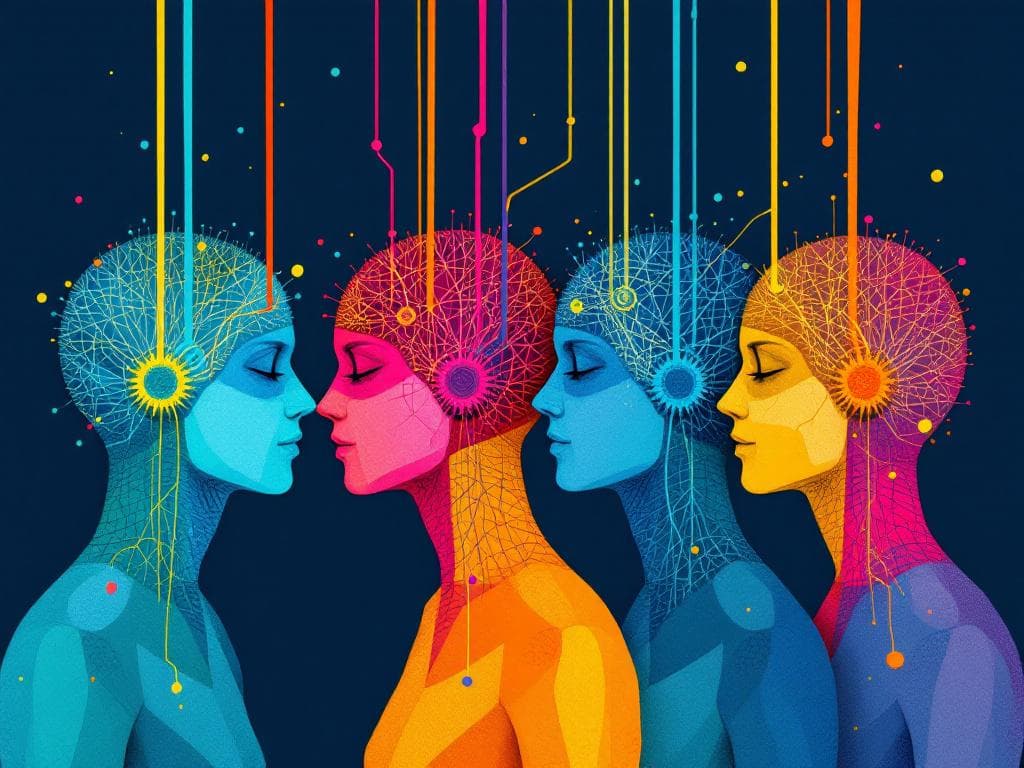

People pleasing looks like generosity from the outside but operates from fear: fear of rejection, conflict, and being seen as unlovable. A partner built on people pleasing offers a carefully constructed version designed to avoid abandonment.
The roots almost always trace to childhood. Children who learned love was conditional develop people pleasing as survival. In adult relationships, it creates a paradox: the more you suppress yourself, the less your partner knows you.
Recognizing it requires honest self-examination#
Recognizing it requires honest self-examination. Saying yes when you mean no, apologizing for things not your fault, feeling responsible for your partner mood — these are symptoms, not kindness.
The cost is accumulated resentment. Every suppressed preference deposits bitterness that eventually overflows. Partners often feel blindsided because everything seemed fine on the surface.
Breaking the pattern starts with small assertions. Choose the restaurant. State your opinion. Say no to an unwanted invitation. In a healthy relationship, these will be met with appreciation.
Therapy, particularly Internal Family Systems or schema therapy,#
Therapy, particularly Internal Family Systems or schema therapy, helps identify protective parts that learned to please others and gradually updates them with new information.
The ultimate gift to a partner is your real self. Authenticity creates conditions for real love. People pleasing creates comfortable coexistence that eventually suffocates.
Ready to Find Your Perfect Match?
Take our quick quiz to get personalized dating app recommendations.
Find My App →- Pew Research Center (2025) — Online dating attitudes and usage
- App Store & Google Play (2026) — Official ratings and download data
- MeetVibe editorial research (2026) — Hands-on testing and analysis
Editorial disclaimer: MeetVibe may earn a commission from partner links. This does not influence our ratings.